
|

We know that meditation is good for us, but with so many styles to choose from, which one is best? Do the differences matter? Are some easier or more potent than others? How do we know which style suits us…and how do we pick one?
Choosing a meditation style can feel overwhelming ~ but it doesn’t have to be! While picking one we like can help us stay motivated, there is no better or worse way to meditate. The bottom line is that beyond their differences, each style provides benefits. So the real choice comes down to finding which style we resonate with. In this post, we’ll go over several of the most common styles so you can see what’s right for you.
We start with contemplative meditation or contemplative prayer.
In contemplative meditation, we sit in silent stillness with the mind focused on a specific question, idea, concept, situation or spiritual teaching. The practice is to enter a deep contemplative space within which to listen, consider and observe the point of focus. Centered contemplation is said to provide a gateway through which to connect with our inner wisdom, intuition, and Divine guidance. As such, the intent of contemplative meditation is to connect with and receive guidance from a higher power.
Examples of contemplative meditation in practice are centering prayer, Christian contemplative prayer, Tibetan contemplative meditation, Zen Koan meditation and even guided meditation in which the focus is selected by a facilitator and targeted questions asked during the journey.
Similar to contemplative practice is focused attention meditation. This style is done sitting in silent stillness with the mind focused on something specific. When attention strays, it is gently returned to the point of focus. The intent is to maintain attention or concentration where we choose for extended periods of time. This practice entrains the mind to follow our command instead of us following the mind’s endless thought streams.
Examples of focused attention meditation in practice include concentration on a specific sound or tone, the breath, a mantra (as with Transcendental Meditation), a word, a teaching, a concept, a candle (as with Trakata Meditation), a body sensation, an image, etc.
A counterpart to focused attention meditation is mindfulness or open monitoring meditation. The goal here is to observe our broad experience instead of fixating on a single point of focus. The practice involves sitting in silent observation of thoughts, sensations and feelings without redirecting or attaching attention to them. The intent is to observe the stream of what arises with neutrality and detachment. This supports us in growing our capacity for neutrality and non-attachment.
Examples of this style can include breath awareness meditations, body scan meditations, walking meditations, as well as Mettā Bhāvanā, Vipassanā, Zazen and Zen traditions, certain forms of Tibetan Buddhist meditations, certain styles of Advaita Vedānta and Tantric meditations, and the classic Taoist contemplative meditation.
Then there is visualization meditation. Generally speaking, this meditation style involves connecting our awareness with visual imagery to access guidance, clarity or information. The intent is spiritual awakening and transformation.
Practices such as guided journeys or imagery in which we listen to and follow visual prompts; spirit guide meditations in which we connect our awareness and inner vision to a divine guide, teacher or deity; and chakra meditations in which we connect with one or more of our chakras are examples of visualization meditations.
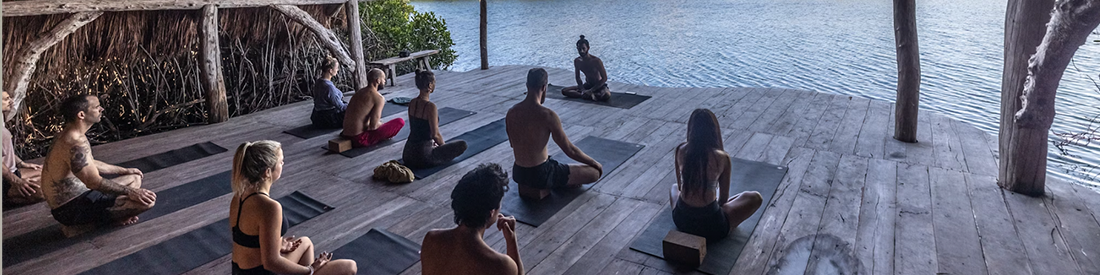
For those who find sitting meditation a challenge, there are moving meditations. This style involves silent body movement, mindfulness, presence and energy awareness. The intent here is to enter a state of unified flow of awareness, body, breath and mind. Examples of moving meditations can include practices such as Tai Chi, walking meditations in nature or in a labyrinth, Qigong and vinyasa or flow yoga.
Sound meditation is great for those who struggle with silent meditating. In this style we focus our attention on a specific sound either internally or externally. Sound meditation includes more than chanting a mantra. It can also involve things like listening to sacred music, singing bowls, gongs, rattles or other instruments. Chanting, reciting or singing prayers, sacred sounds, songs, seed syllables, divine names or invocations are also common. Meditations that involve toning, humming or focusing on the sound of the breath fall under this style.
A few of the many styles of sound meditation today include Transcendental Meditation (TM), Bija mantra meditation, chanting sutras, Tibetan singing bowl meditation, Soto Zen chanting, Dhikr, Gregorian chanting, Taizé chanting, Rosary recitation, Icaros and Gong meditation. Each has its own intent.
While there is overlap across styles, there is a holistic meditation approach that incorporates all the others. This approach involves sound and silence, movement and stillness, focus or mindfulness and neutrality, visualization and emptiness. Holistic meditations meet us where we are and support our growth from there.
The tradition of Kundalini meditation is my best example. It is designed to stimulate and channel the dormant kundalini energy—our life force energy—in service to our spiritual awakening and connection to our divine essence. It is a sitting practice that helps us attune the instrument of our body to the frequency of our pure love nature by addressing our physical, mental, emotional, spiritual and energetic vibrancy.
I’ve practiced kundalini meditation for over 25 years and can attest to its benefits. But we are all different.
Our spiritual path doesn’t require popularity; it only requires devotion. We travel our spiritual path in our own way, in our own time, for our own evolution, landing in places that are perfect for our unique soul journey. As ever-evolving beings, our spiritual path reflects our current place along that journey and so what calls to us can change as we change. If one of these meditation styles resonates with you, give it a try! You can trust that whatever path you choose is perfect for where you are on your journey today.

Cecilia supports women using a uniquely integrated approach that helps them use their intuition, protect their energy, honor their wisdom and embrace their creativity. She is a kundalini yoga and meditation teacher, shamanic and energy practitioner, and author of several books with a PhD in Educational Psychology/Counseling. https://www.drcecizuniga.com.

2 replies on “How to Choose a Meditation Style”
I’ve been feeling overwhelmed by all the meditation styles out there – do you think some are more suited to beginners than others? 🤔
Hi Marcus ~ great question 🙂 Frankly, meditation can be super simple. I would recommend starting with 5 minutes of simple breath awareness! If you’d like to follow a 30-day process, I love Adhyashanti’s 30-day wake up challenge (I think you can get on audible). He also has some good books/guides on meditation. Simple, but profound.