
|
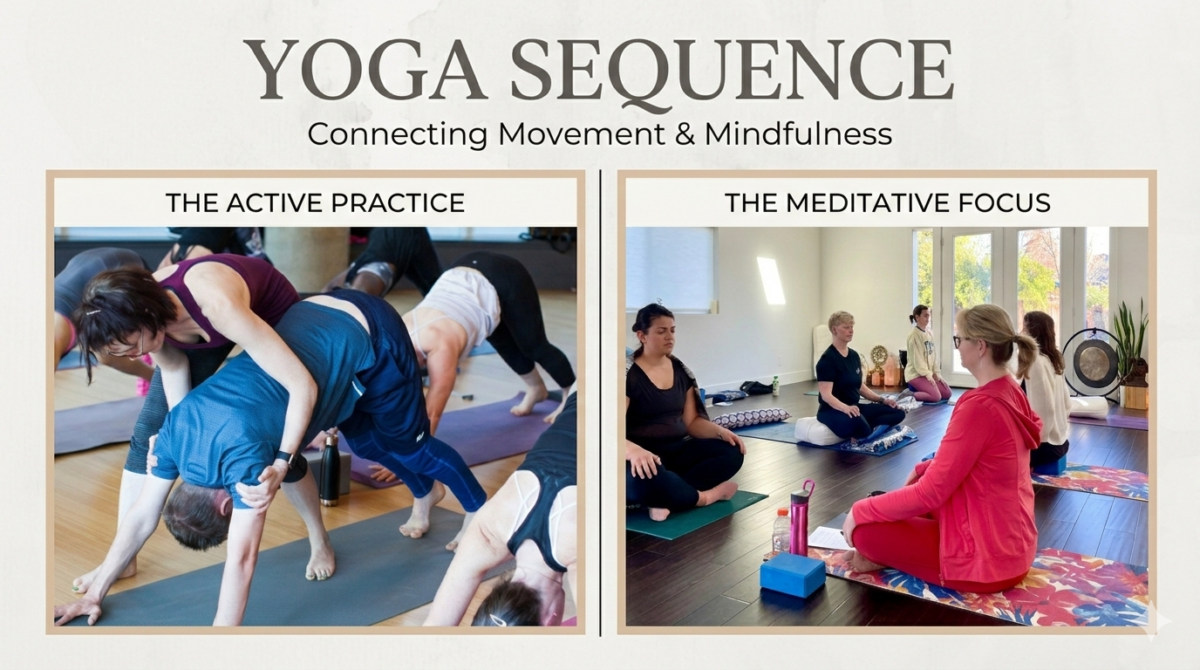
Summary: There are many ways to create a functional sequence. Start with a clear intention and follow a logical arc from most accessible to most complex. Warm up component parts effectively. Balance effort with ease and include an appropriate cooldown.
Designing an intentional and balanced yoga sequence is one of the most crucial skills a yoga teacher can develop, and one of the most important skills yoga teacher trainers should teach. I often see 200-hour training programs that give their students set sequences rather than teaching then to think critically. While offering good templates is a great idea, we also want to make sure that we’re not giving students templates without teaching them the “why” behind the sequence.
Remember that parable: “Give someone a fish and they eat for a day; teach them to fish and they’re fed for life?” By teaching your trainees to think critically about sequencing, you’re “teaching them to fish” and giving them the skills that will set them up for a lifetime of teaching.
Sequencing is about more than simply ordering postures; when you teach your trainees about sequencing, you are also setting a foundation for them to think critically and intentionally about the entirety of the class experience and their voice as a teacher.
First, let’s define what I mean by a “balanced yoga sequence.”
I’m a huge fan of peak pose sequencing, where you design a class progressively towards the most complex pose. However, when you craft a peak pose sequence, you also want to think about balance. How are you balancing effort and ease? Can you create both challenge and rest? Does every pose express balanced action? And does the final part of class balance the actions of the peak pose?
Every balanced sequence begins with a clear intention. When teaching your trainees to sequence, start by having them set a goal. If you are not following a strict peak pose strategy, you may have them think about a target goal, such as developing strength, opening the hips, or supporting nervous system regulation. If you are following peak pose sequencing, then you will want them to identify their most complex pose and its component parts.
It can be tempting for teachers to “go with the flow” in their teaching, or “do what feels right.” While flow and feeling can offer valuable input into teaching creativity, it will be a disjointed experience unless it is rooted in a clear methodology.
Balanced sequencing follows a logical arc: arrival, warm-up and activation, peak, and integration. This arc mirrors both physiological principles and also supports the development of mindfulness. Arrival practices help to transition the student to the practice space and anchor them into their bodies. The warm up and activation help to warm up the body and cultivate the mind-body awareness required for more complex experiences. The peak phase is the highest energetic point of class, where the various work that has been done comes to fruition. And the integration phase helps to counterpose the class and move the student into an experience of deep rest.
Many new teachers are tempted to rush into advanced shapes before adequately preparing the body. Or they throw in complex poses “for the fun of it” rather than mindfully preparing for and teaching the asana. This well-intentioned smorgasbord may be entertaining, but it can also be frustrating or even disheartening for students. When teaching sequencing to your trainees, make sure that you help students appreciate the power that they hold as teachers to create a positive experience for their students. By appropriate warming up the body for the peak experience, we can empower our students to feel both safe and nourished by their practice.
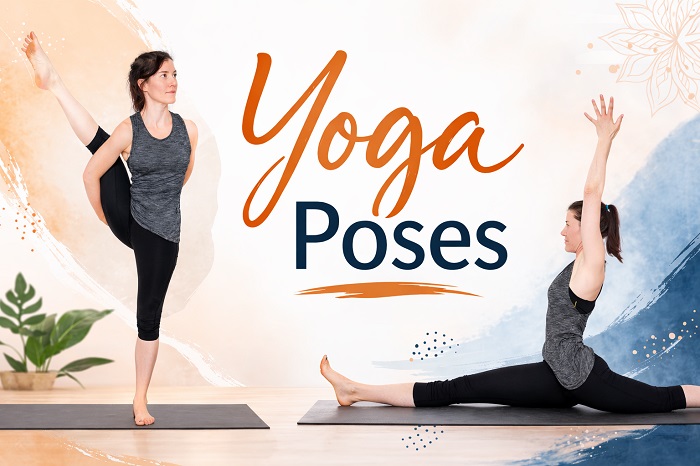
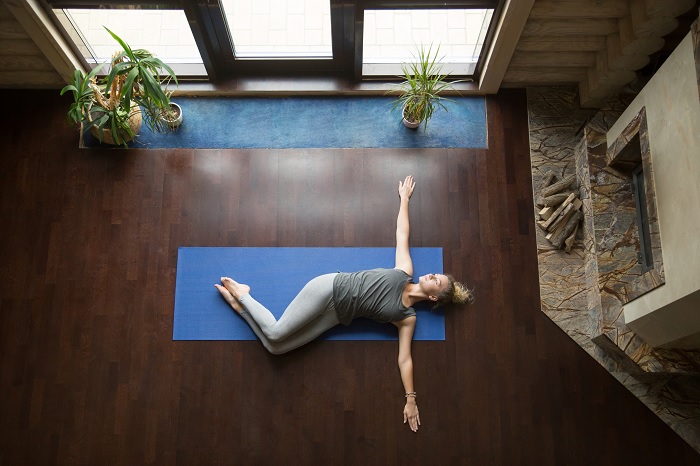
A structurally balanced sequence respects the body’s need for recalibration and compensation. If your peak pose is a backbend, then use the Integration phase of class to gently neutralize (twists) then counterpose (forward fold) the action of the hips and spine. After deep external hip rotation (for example, in a pose such as eka pada galavasana, or “flying pigeon”), give students the opportunity to practice internal rotation in a pose such as supta virasana (reclined hero’s pose). If the peak pose is hanumanasana (full splits), then use the Integration to offer gentle hamstring activation, for example by doing bridge.
One of the most common sequencing mistakes is overemphasizing intensity. While challenges build strength and resilience, balance is also necessary. Offering moments of pause, slower transitions, and encouraging breath awareness will help students to regulate their nervous system ~ as well as to recognize their own agency in self-regulation in the world. High-intensity flows stimulate the body, while restorative shapes promote downregulation. Learn more about yoga sequences, as this is a vast area to explore.
A balanced sequence is not only biomechanically sound, but it is inclusive. You must guide your trainees in layered progressions that accommodate diverse abilities. Instead of presenting a pose as binary, ensure they can build stages. Layered approaches preserve the integrity of the sequence and allow each student to engage meaningfully in the practice. Balanced sequencing accounts for mobility differences, strength disparities, and varying energy levels in the room. Through skillful cueing, you can help your trainees adapt every pose or transition to their own capacities.
The end of a balanced yoga sequence is crucial. People often underestimate the power of the Integration phase of the sequence. In our amped up world, having time to slow down and integrate is essential for our mental health and well-being. Encourage trainees to allocate significant time (at least 25% of the class) for the cool down, breathwork/pranayama, and savasana. Beyond creating physical balance, this time for slowing down and for rest is incredibly nourishing for mind and spirit.
Designing balanced sequences requires cultivating critical thinking. Over time, as trainees write, practice, and refine their sequences, their own teaching voice will begin to emerge. Do they love slow, accessible sequences, or fast-past power classes? Over time, their sequences will not just be safe and functional, but an extension of their own unique teaching voice and passion.
Want to share your own teaching passion through a yoga workshop? Learn how to plan and present a transformational workshop here: Create a Workshop.

Rachel supports yoga teachers and studios around the world to create transformational education experiences that help them thrive in their business, share their passion, and inspire more people to practice yoga. Her extensive knowledge and experience include: earning two masters degrees, authoring three books, leading 4,000+ hours of TT, building a teacher training college for a national yoga company, and working behind the scenes in yoga studio & teacher management for more than fifteen years. As a writer and speaker, she continually wrestles with the juicy bits of life: relationships, authenticity, and discovering meaning in this crazy, wildish world. E-RYT 500, YACEP, BA, MFA, MSci. Learn more about Rachel.
Leave a Reply