
|
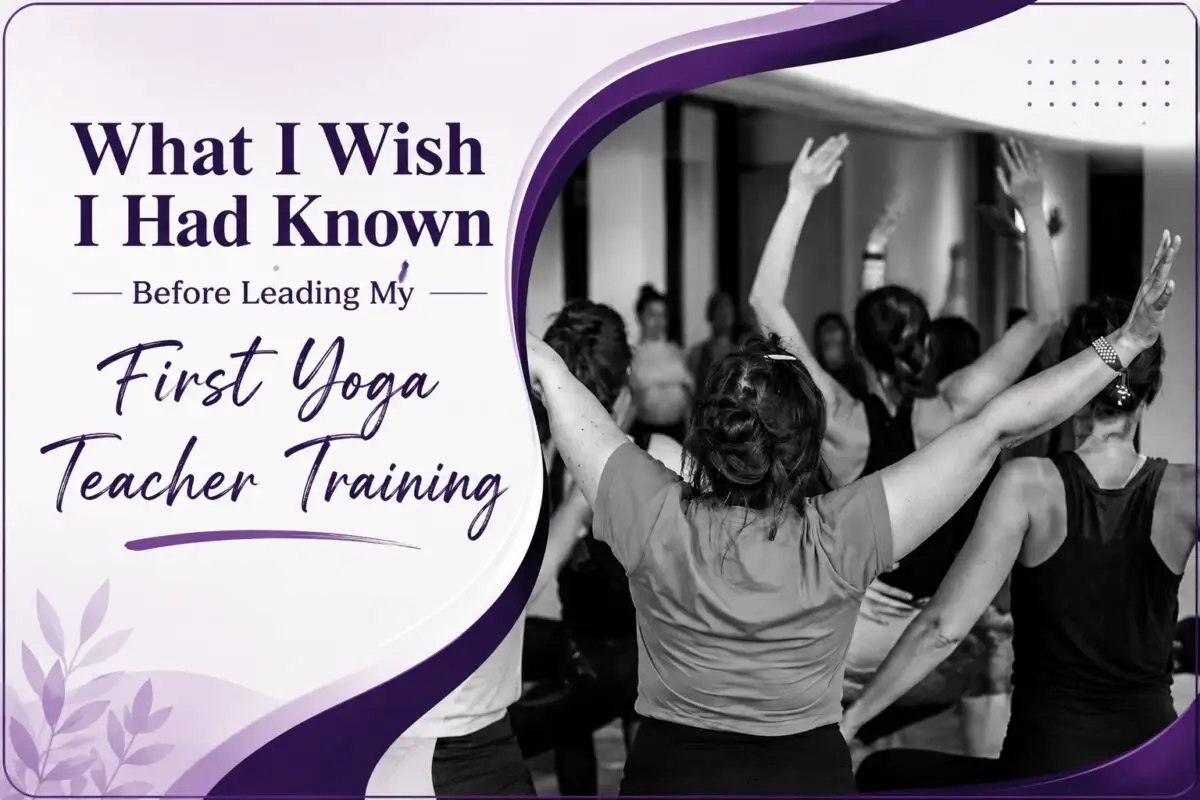
Summary: Leading a yoga teacher training involves more than sharing knowledge. A great teacher trainer knows how to titrate information, manage a room, and put the student first! In this blog, we’ll take a look at some of the hard lessons in my 15+ years of leading YTT’s!
Once you’ve been teaching for several years, there may come a time where you start to feel a pull to lead yoga teacher training. As your own knowledge and skill increases, the idea of nerding out with a roomful of passionate yogis becomes enticing! I’ve always loved “teaching to learn,” and leading yoga teacher trainings is one of the best ways I’ve found to stay inspired and connected in my own yoga journey.
Hi, I am Rachel Scott. I am a yoga teacher trainer and instructional designer. I have led trainings since about 2008. I have a deep love and respect for the yoga tradition and have been deeply gratified to devote my time and passion to its study. Since becoming a teacher trainer, I also earned my MSci in Instructional Systems and Learning Technology (aka online education) and work as a curriculum creator and instructional design coach. Here’s what I wish I had known when I ran my first YTT.
When I first started leading teacher trainings, I thought that teaching more content meant that I was giving more value. And naturally (like many of us)I wanted to give students my allI! But what that meant in reality was that I overloaded the training with too much content. The result? Too much talking and not enough practice.
After so many years (and earning that Masters) I have learned that honing your program to very specific learning objectives and focusing on those specific goals is far more effective that a “broad sweep” approach. As a trainer, we have to learn to titrate material and realize that we can’t teach everything (not even in 500 hours). Define your key learning goals and stick to them. Sometimes being a great trainer is knowing what not to teach.
I started my career as and actor and an acting teacher. So maybe it’s not surprising that when I transitioned to yoga, I thought that I should be fairly “entertaining.” After all, I wanted to give my students a great experience and help them pay attention.
As I’ve matured as a teacher, I’m very happy now to leave center stage and put my student’s performance at the forefront. Now, I lead from “behind” through coaching my trainees and focusing on their performance. Being a guide on the side means that we focus more on our trainee’s performance than our own, and that we find activities that help them develop their skills. A great training is not defined by the trainer’s ability to demonstrate mastery, but by the trainees. Also, being a guide on the side also means that we don’t have to put ourselves on the “expert pedestal.” Be a mentor, not an authority.
As a teacher trainer, it is easy to judge a session by how clearly you explain something. Unfortunately, this is what I call the “great mistake,” where we think great learning is about what we say rather than how well the student performs. Switch your focus to your students and ask yourself: What do I want my students to be able to do as a result of this training? This switch in focus can change everything.
Start your trainees practice teaching from day one. Do not wait for them to have some mythical full box of tools, but get them on their feet and talking as soon as possible. Encourage them to jump in and to fail quickly. Create an environment of play, not perfection. Refrain from too much feedback at teh beginning as they are finding their feet and keep it simple to start.
A well-organized yoga curriculum puts lessons in an effective order and helps manages your trainees’ attention and energy. If you are running logn teaching days, it’s important to be strategic. For example, you don’t want them practicing asana right after lunch! Rotate lessons where they are listening to a lecture versus getting on their feet. Change up activities to make sure they get some physical movement often. Rather than stack the same topic (ie: one day of anatomy), mix it up. Also, for best effect, make sure that lessons reinforce each other. For example, teach the anatomy that reinforces and clarifies the asana that you are studying. The more that different topics can reinforce each other, the easier it will be for your students to learn.
Every teacher training is unique and all your students will create their own special dynamic. Some groups love to ask endless questions, while other groups seem to like being quiet observers. Let yourself step back often to “read the room.” Are your students confused, tired, energetic, frustrated? Be willing to adapt your class plan to support the needs of the moment.
Remember: at the end of the day, yoga teacher training is a beautiful opportunity for you to help teachers become a more engaged part of htis amazing lineage. It’s also a chance for us – as trainers – to immerse ourselves more deeply and be of service. I hope this guide has been helpful! I love supporting teacher trainings; if you want to connect with me, book a free chat today!

Rachel supports yoga teachers and studios around the world to create transformational education experiences that help them thrive in their business, share their passion, and inspire more people to practice yoga. Her extensive knowledge and experience include: earning two masters degrees, authoring three books, leading 4,000+ hours of TT, building a teacher training college for a national yoga company, and working behind the scenes in yoga studio & teacher management for more than fifteen years. As a writer and speaker, she continually wrestles with the juicy bits of life: relationships, authenticity, and discovering meaning in this crazy, wildish world. E-RYT 500, YACEP, BA, MFA, MSci. Learn more about Rachel.





Leave a Reply